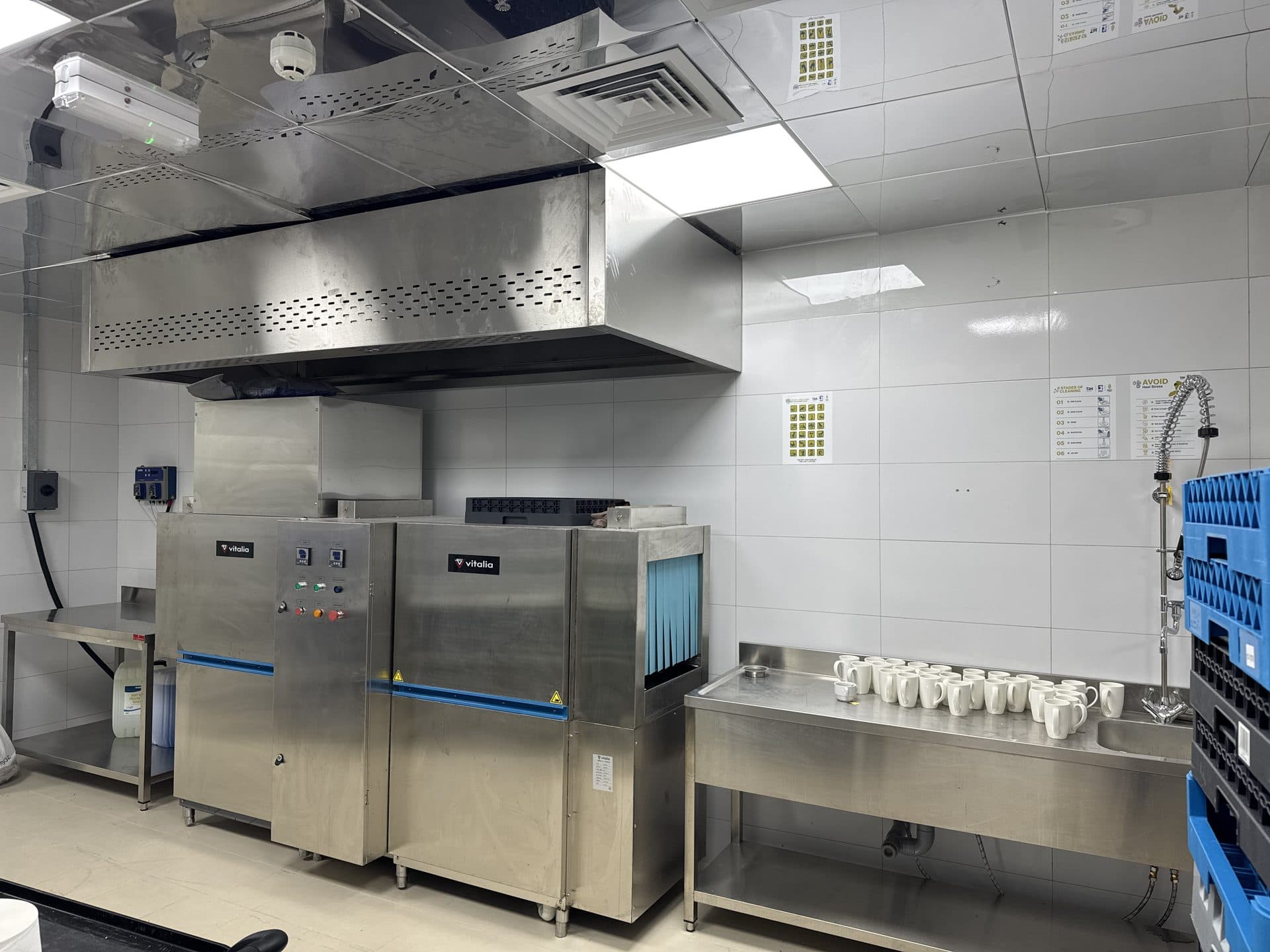
A practical commissioning checklist before you sign handover
Training, warranties, water treatment, and first-week run plans — the items that prevent avoidable service calls in week one.
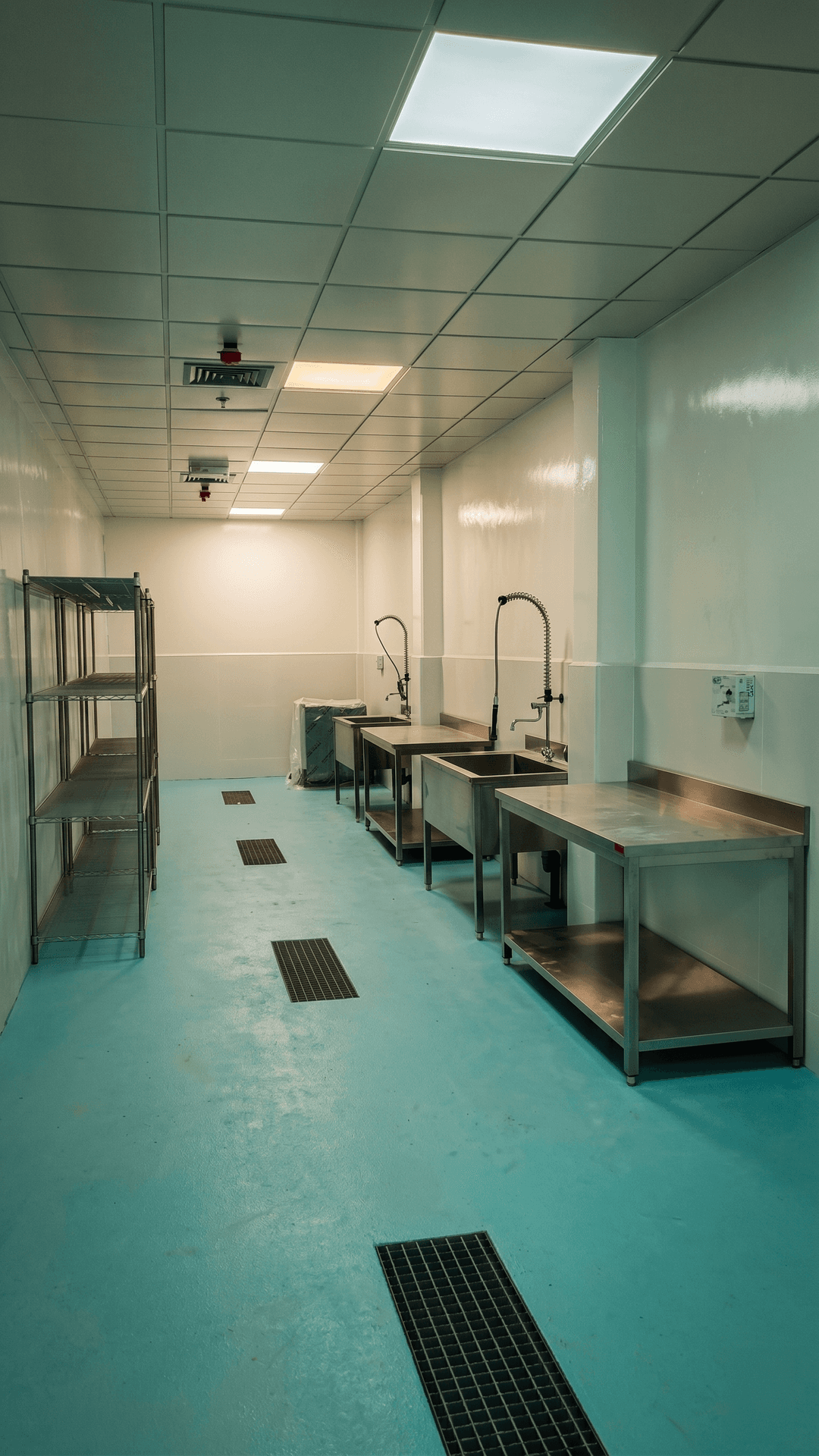
Handover is the moment when a kitchen, laundry, or bakery project moves from the contractor's responsibility to the operator's. It should be a structured process — not a rushed sign-off on the day before opening. A good commissioning checklist prevents the avoidable calls that plague the first weeks of operation.
We use a shared commissioning document with our clients, and we walk through it together on site. Here are the items that matter most.
Equipment-level checks
Every piece of equipment should be powered on, tested through a full cycle, and verified against the specification. For a combi oven, that means running a cook cycle with steam, verifying the probe temperature, and testing the automatic cleaning programme. For a cold room, it means verifying the pull-down time from ambient to set temperature, checking the door seal and heater, and confirming the alarm settings.
This sounds obvious, but on large projects with dozens of equipment items, it is easy to skip or rush. We use a line-by-line equipment list with sign-off boxes, and we involve the chef or facility manager in the walk-through.
Water quality and treatment
Water quality is one of the most common causes of early equipment failure in the Gulf. Hard water scales boilers, blocks steam generators, and damages dishwasher tanks. Before handover, we verify that water treatment systems are installed, commissioned, and set to the correct parameters for the equipment they serve. We also record baseline water quality readings so the maintenance team has a reference point.
Electrical and gas verification
Phase rotation, voltage, and gas pressure should all be checked and recorded. We have seen cases where a three-phase combi oven was connected with reversed phases — it ran, but the fan rotated backwards, reducing cooking performance. These are easy checks that take minutes but prevent weeks of troubleshooting.
Ventilation and extraction
Kitchen ventilation is often commissioned by the MEP contractor, but the settings need to be verified with the cooking equipment running. We check airflow at the hood face, verify make-up air balance (negative pressure in the kitchen pulls odours out but should not slam doors), and confirm that fire suppression systems are armed and properly zoned.
Operator training
Training is not a brochure and a handshake. We walk the kitchen team through every piece of equipment they will use daily — operation, basic troubleshooting, cleaning procedures, and who to call for service. For specialised equipment like combi ovens and blast chillers, we schedule a dedicated training session with the manufacturer's representative when possible.
Documentation and maintenance schedule
Before we leave, the client receives a full documentation package: equipment manuals, warranty cards, as-built drawings, utility schedules, and a recommended maintenance programme with intervals for each equipment type. This package is the client's reference for the next five to ten years of operation.
First-week run plan
We recommend a structured first week: soft opening loads on days one and two, ramp to 50 per cent on days three and four, and full service from day five. This gives the team time to find and fix the small issues — a drain that is slow, a thermostat that needs recalibrating, a shelf that needs repositioning — before the kitchen is running at full pace.
If you are approaching handover on a project, this checklist is a good conversation starter with your project team. The goal is to hand over a facility that works on day one — not one that needs the first month to sort itself out.