
From linen weight to machine line — modelling laundry throughput
Hotels and hospitals rarely have a single peak number. Building scenarios for occupancy, linen mix, and growth before sizing washers and ironers.
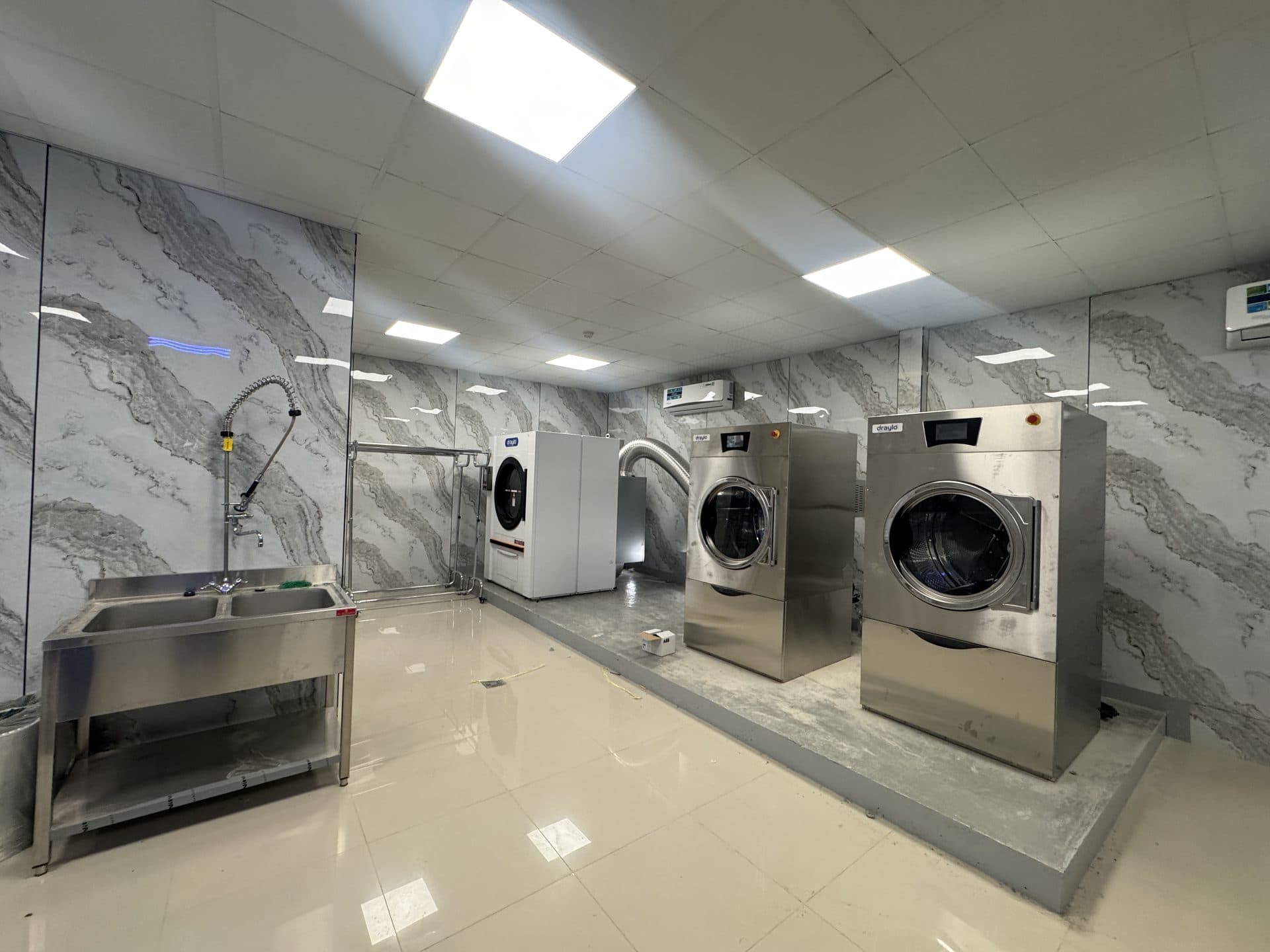
When a hotel or hospital briefs a new laundry facility, the starting number is usually room count. But room count is a blunt instrument for sizing laundry equipment. Two hotels with the same number of rooms can have wildly different linen volumes depending on towelling policy, F&B operations, spa facilities, and staff uniform programmes.
Getting the throughput model right is the most important step in a laundry project — because every machine downstream is sized from that number. Underestimate, and the facility cannot keep up during peak periods. Overestimate, and you have spent capital on machines that sit idle.
Building the linen profile
We start by listing every linen type the facility handles: bed sheets, pillowcases, duvet covers, bath towels, hand towels, pool towels, restaurant tablecloths, napkins, chef uniforms, housekeeping uniforms, spa robes, and any speciality items. Each item has a dry weight and a soil factor that affects wash cycle time.
For hotels, we then map these items to occupancy scenarios: 60 per cent midweek, 85 per cent weekends, 100 per cent during peak season. For hospitals, the model is based on bed occupancy and theatre schedules. The result is a daily kilogram target for each scenario.
From kilograms to machine capacity
Once we have the daily weight, we factor in the number of shifts available, the wash cycle time for each linen type, and a realistic loading factor (machines are never loaded to 100 per cent of rated capacity in practice). This gives us the washer capacity needed.
Dryers are sized to match washer output — with a small buffer, because drying times vary by fabric and moisture content. Ironers are sized to the flatwork volume (sheets, tablecloths, napkins), which is usually the bottleneck in the line. If the ironer cannot keep up with the washers, linen stacks up in trolleys and the whole flow stalls.
Redundancy and maintenance windows
A critical question that sometimes gets overlooked: what happens when one machine is offline for maintenance? If the facility runs on two washers and one goes down, can the remaining machine cover the daily load with an extended shift? We build this into the model, because laundry equipment needs regular maintenance and occasional repair — and shutting down operations is not an option for a hotel with guests in-house.
A simplified example
Consider a 300-room hotel at 85 per cent occupancy with a full-service restaurant and a pool. The daily linen weight might land around 1,200 kilograms. With two shifts of eight hours and a 60-kilogram washer running 45-minute cycles, each machine processes roughly 640 kilograms per shift. Two washers comfortably handle the load with margin for peaks and one machine down.
The ironer is sized for the flatwork subset — perhaps 800 kilograms of that total. A 3.3-metre chest ironer running at 30 metres per minute can process sheets at roughly 120 kilograms per hour, covering the flatwork in under seven hours.
These are simplified numbers, but they illustrate the method. The real study includes fabric weights, rewash rates, sorting time, and staff breaks.
Why this matters for capex
Laundry equipment is a significant capital investment. A tunnel washer line for a large facility can cost as much as the kitchen equipment for the same hotel. Getting the throughput model right protects the investment — and gives the operator confidence that the facility will perform on day one and five years later as the operation grows.
If you are planning a laundry facility or reviewing a proposal, the first question to ask is whether the throughput model is based on a detailed linen profile or a rule-of-thumb. The difference matters.
Related articles
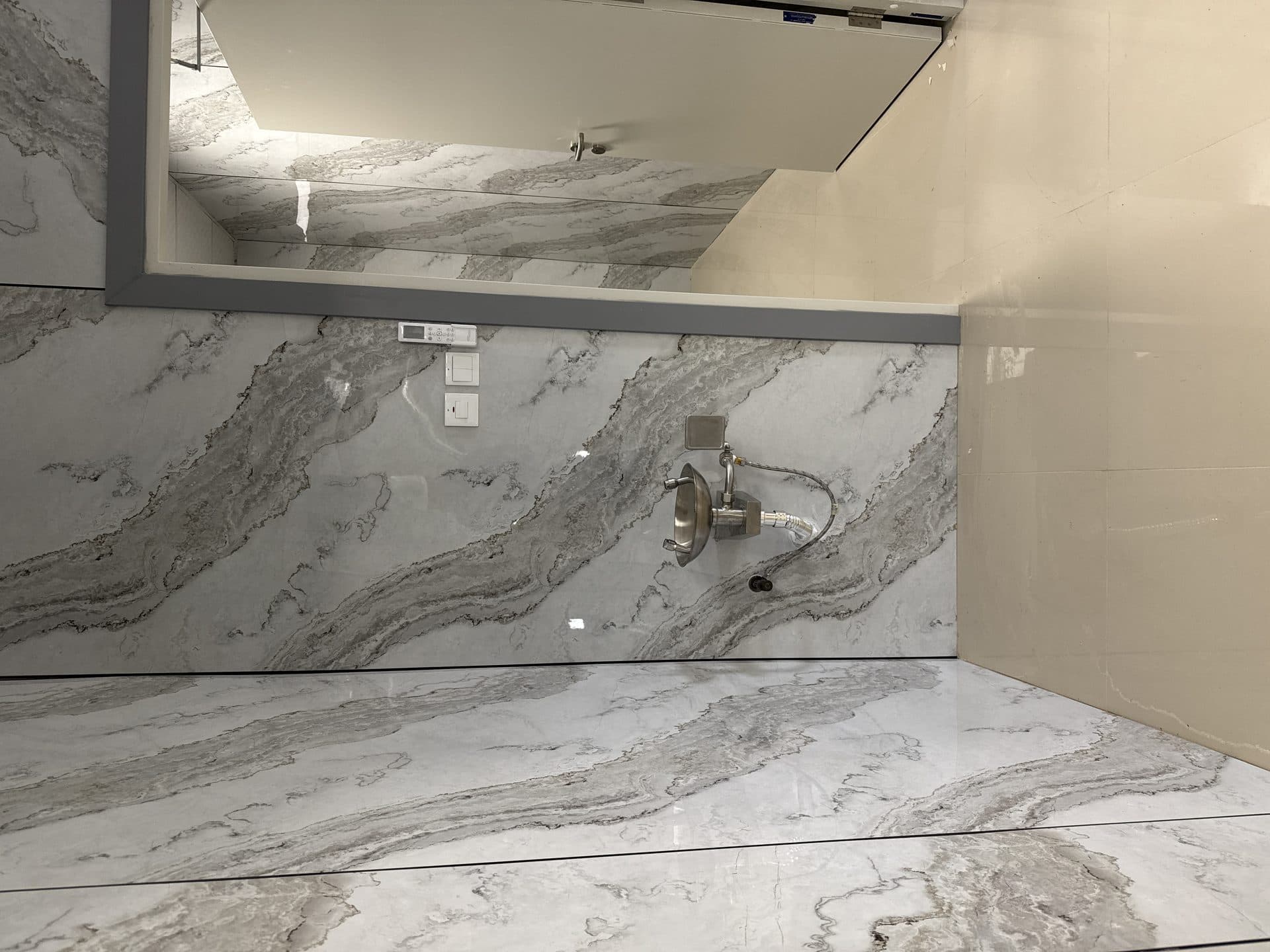
Factors to consider before investing in laundry equipment
Capacity, system design, MEP, and after-sales support matter more than a spec-sheet comparison. How to size a laundry investment that still works in year five.
Read article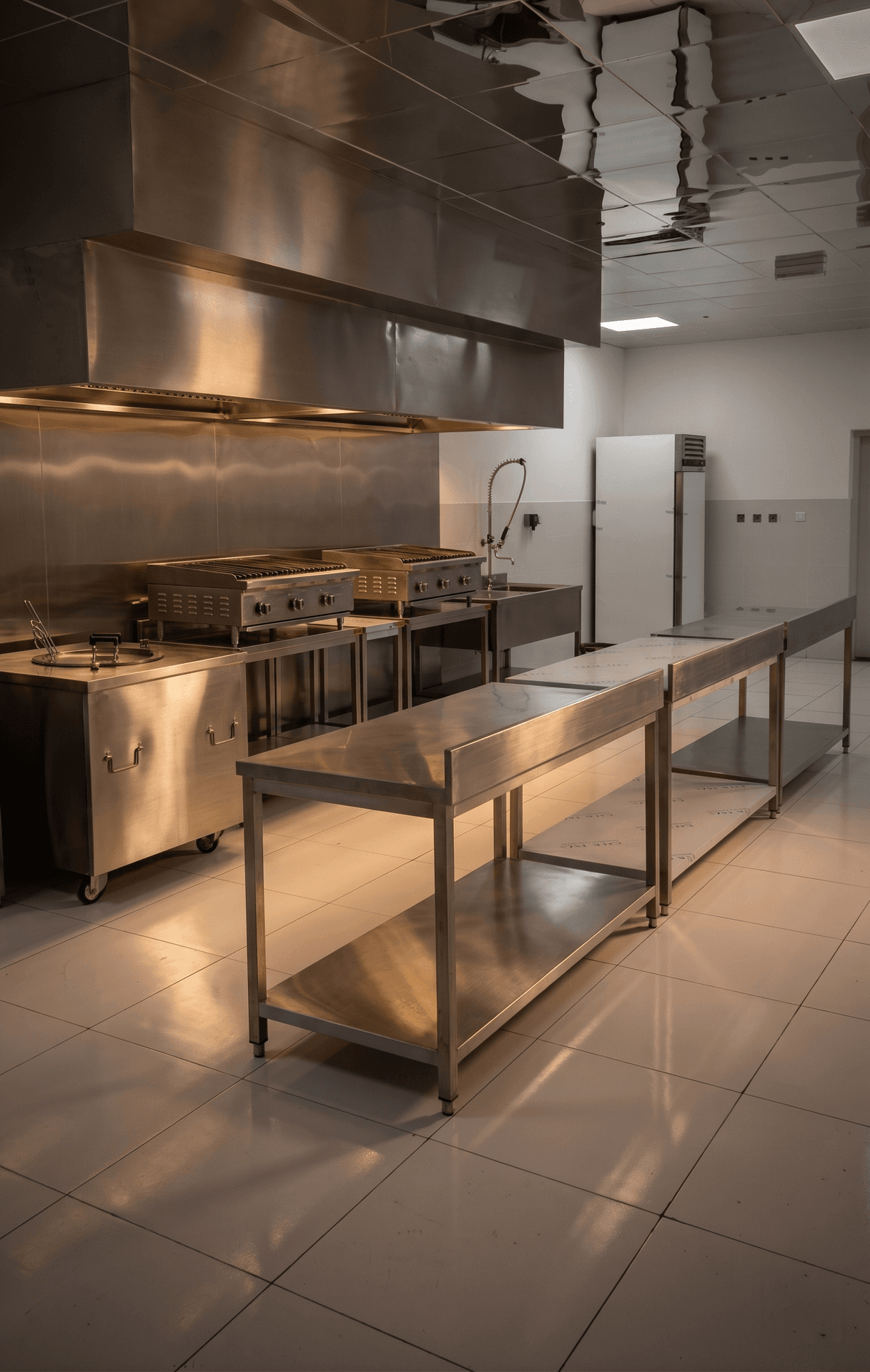
Proofing, ovens, and cooling — balancing a bakery line for consistent output
Bottlenecks often hide between proofer and deck oven. Aligning timing, floor space, and staff movement for artisan and scaled production.
Read article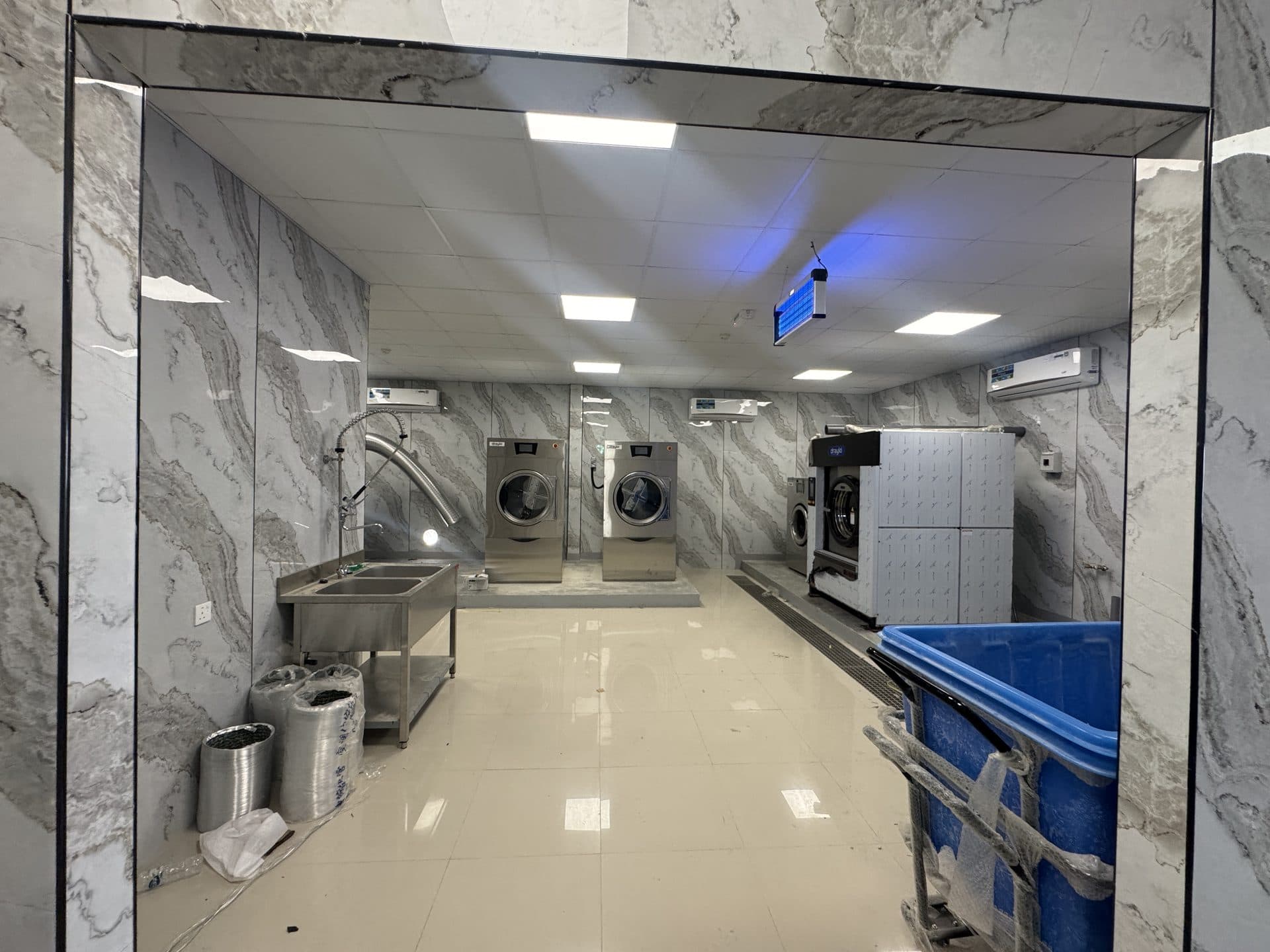
On-premise hotel laundry versus outsourcing — making the right call
The decision to build an on-premise laundry or outsource to a commercial plant depends on more than just cost per kilogram.
Read article