
Setting up a pastry kitchen in the UAE: equipment, layout, and fit-out sequencing
Buy the ovens last. Production flow, services, and fit-out sequence decide whether a pastry kitchen keeps up — or fights itself every morning.
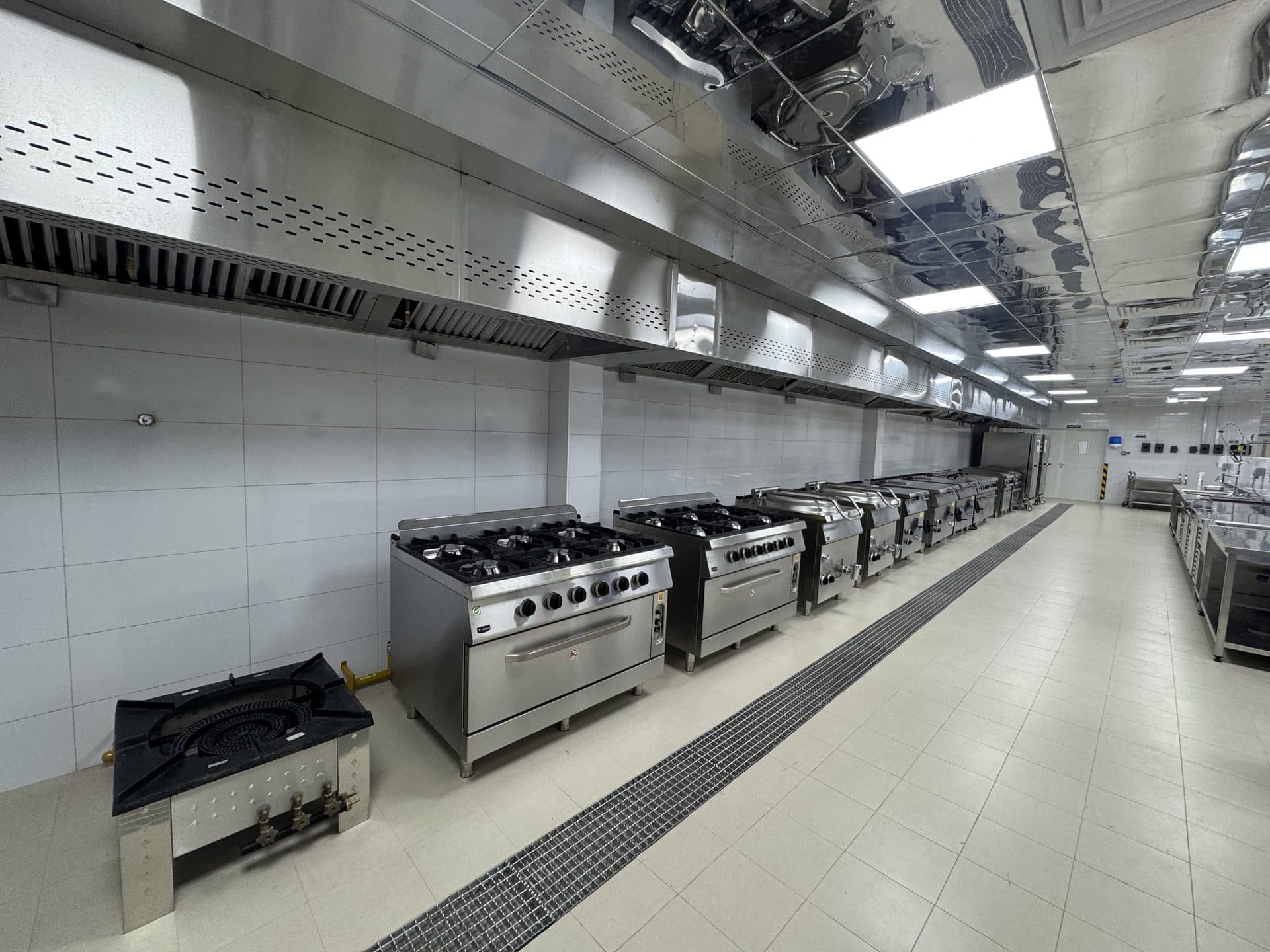
A successful pastry kitchen is built long before the first batch goes into the oven. Whether supplying hotels, cafés, restaurants, or retail outlets, every commercial bakery depends on a production environment where workflow, equipment, and construction work together. Yet many businesses planning a pastry kitchen fit-out focus on purchasing equipment first, only to discover later that the layout limits productivity and creates unnecessary operational challenges.
Follow the production sequence
Every pastry kitchen follows a natural production flow. Ingredients move from storage to preparation, mixing, proofing, baking, cooling, decorating, and packaging. When this sequence is interrupted by poor planning, staff spend more time moving product than producing it. The result is slower output, inconsistent quality, and higher operating costs.
A well-designed kitchen eliminates those inefficiencies by creating a logical workflow that supports daily production while maintaining food safety standards. We draw that flow before we draw the equipment plan, so the layout serves the baker — not the other way around.
Size equipment to production, not to empty floor area
Equipment selection should always reflect production requirements rather than simply filling available space. A growing bakery has different needs from a hotel pastry section or a central production facility supplying multiple outlets. Choosing mixers, ovens, proofers, refrigeration, and preparation equipment without understanding capacity often leads to expensive upgrades or bottlenecks later.
That is why we begin with operational planning — product range, daily output, proofing and bake times — before recommending equipment. The line has to stay in balance: if the proofer releases more dough than the oven can bake in the same window, trays over-proof on trolleys and quality drops.
Sequence the fit-out around building services
The success of a commercial bakery setup also depends on how the kitchen is integrated with the building. Electrical systems, plumbing, drainage, ventilation, gas lines, and extraction all need to be coordinated before installation begins. When these services are planned after equipment arrives on site, projects frequently experience delays, design changes, and additional costs.
Proper kitchen fit-out planning ensures every service is engineered around the production layout, so equipment can perform safely and efficiently from day one. Drain positions, extract volumes, and power supplies are part of the pastry kitchen design — not a separate exercise after the ovens are ordered.
Treat the kitchen as one production system
At Al Rumooz, every bakery project begins by understanding production volumes, product range, operational workflow, and food safety requirements before any equipment is specified. We deliver complete commercial kitchen solutions through detailed engineering, equipment procurement, in-house stainless-steel fabrication, installation, commissioning, and long-term maintenance. That integrated approach means every pastry kitchen fit-out is designed as a complete production system rather than a collection of individual machines.
Whether you are establishing a boutique bakery or a high-capacity production facility, a professionally planned setup supports consistent product quality, maximises productivity, and leaves capacity for growth. Layout, equipment selection, and fit-out sequencing are not separate decisions — they are the foundation of a bakery built for long-term performance.
Related articles
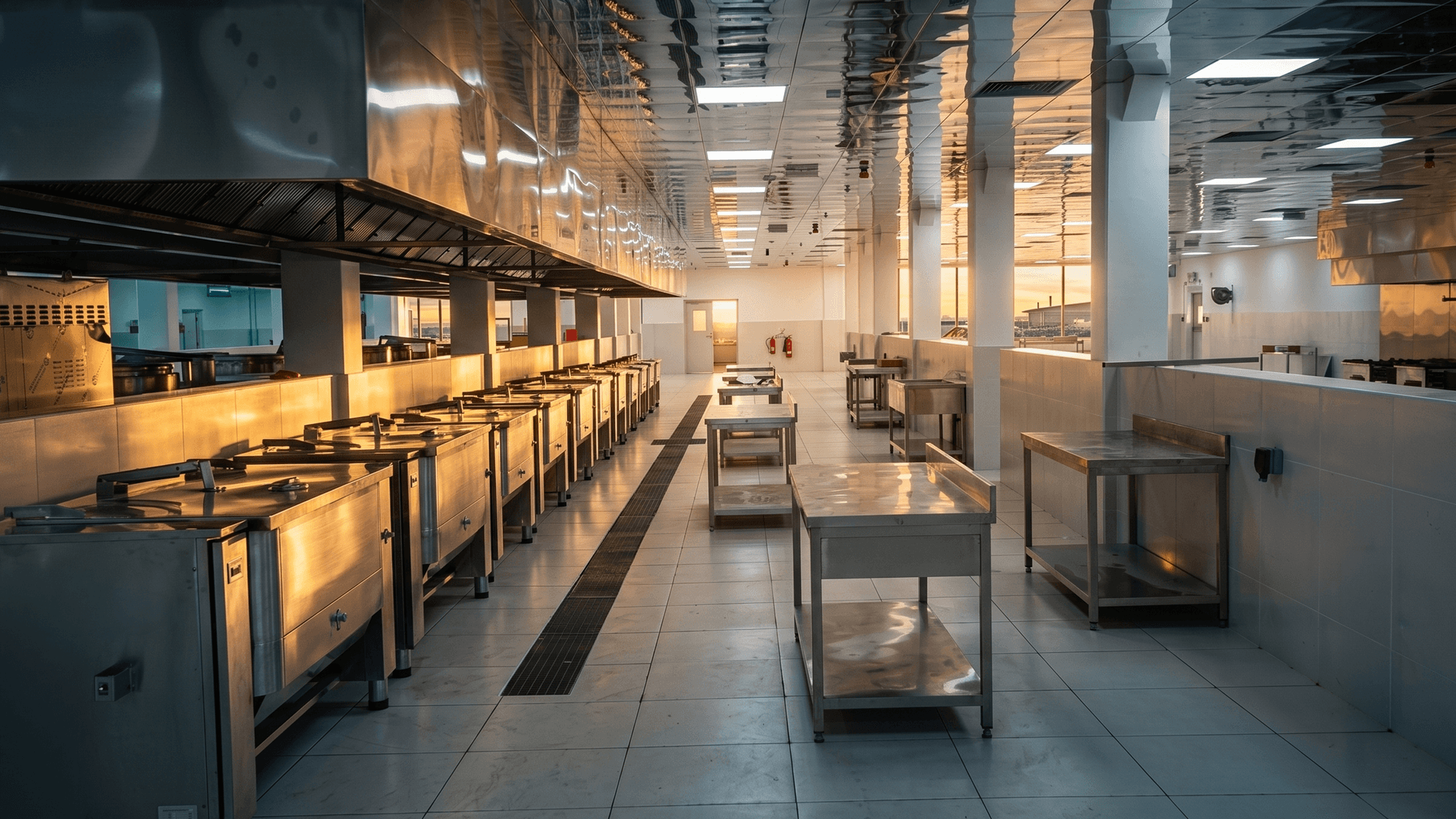
Commercial kitchen design trends in 2026
Smarter layouts, MEP coordination from day one, and equipment that can flex with the menu — what operators are actually asking for this year.
Read article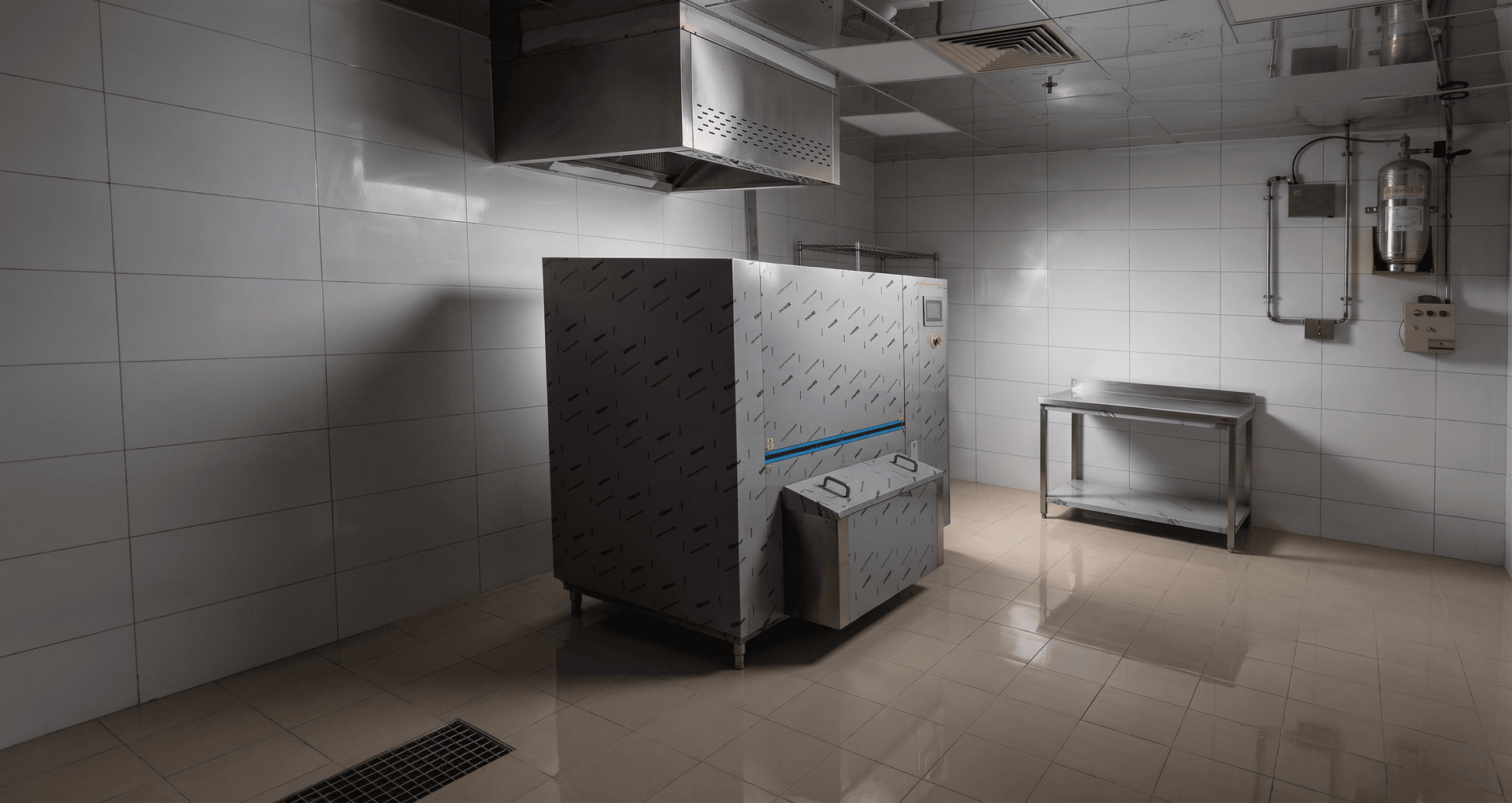
Cloud kitchen vs central kitchen in the UAE — what is actually different
Both run without a dining room. The workflow, storage, and food-safety requirements are not the same — and choosing the wrong layout is expensive to undo.
Read article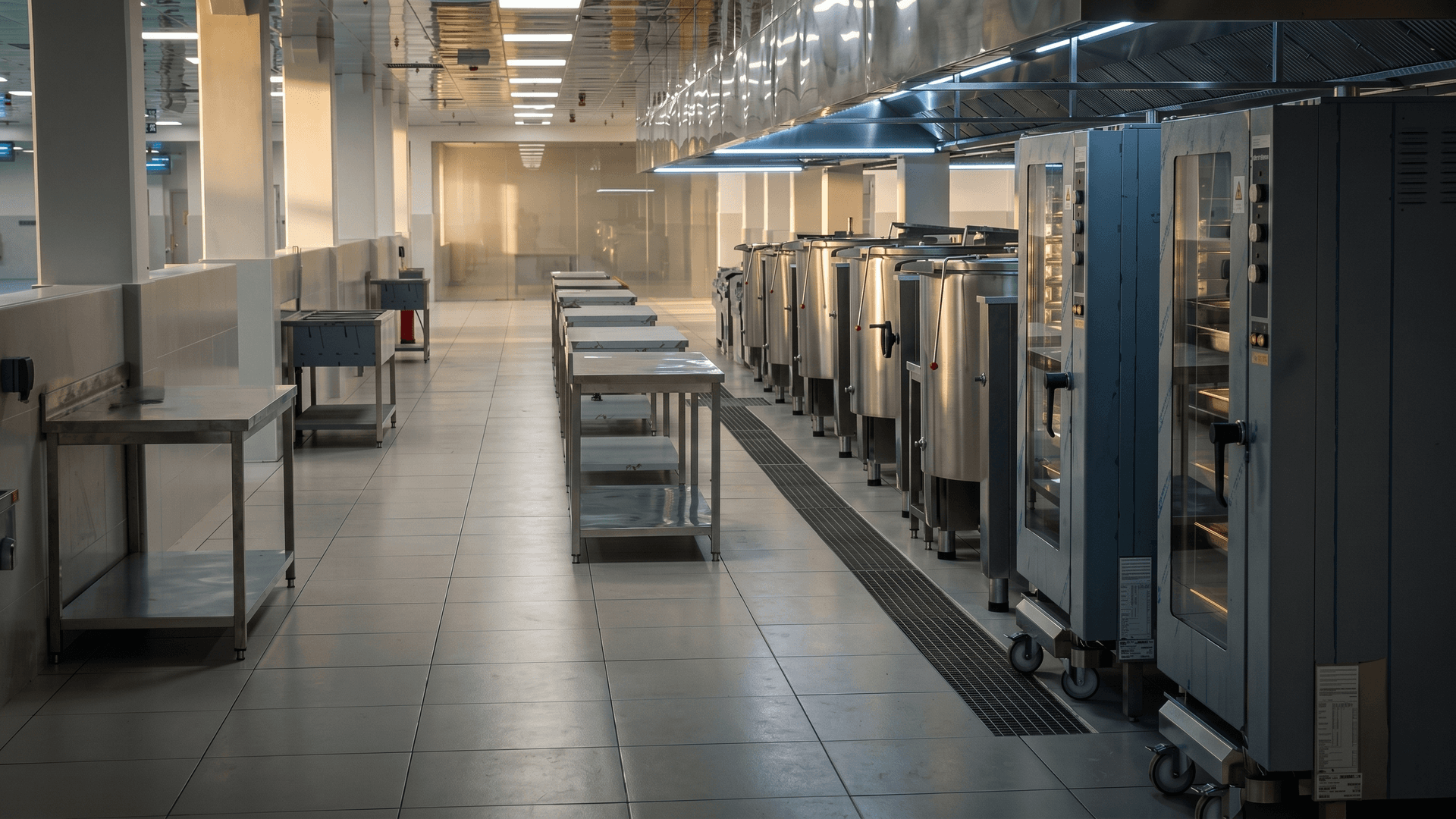
MEP coordination — why kitchens fail at the interface, not the equipment
The most common kitchen problems are not equipment failures. They are coordination gaps between the kitchen consultant, MEP engineer, and contractor.
Read article