Factors to consider before investing in laundry equipment
Capacity, system design, MEP, and after-sales support matter more than a spec-sheet comparison. How to size a laundry investment that still works in year five.
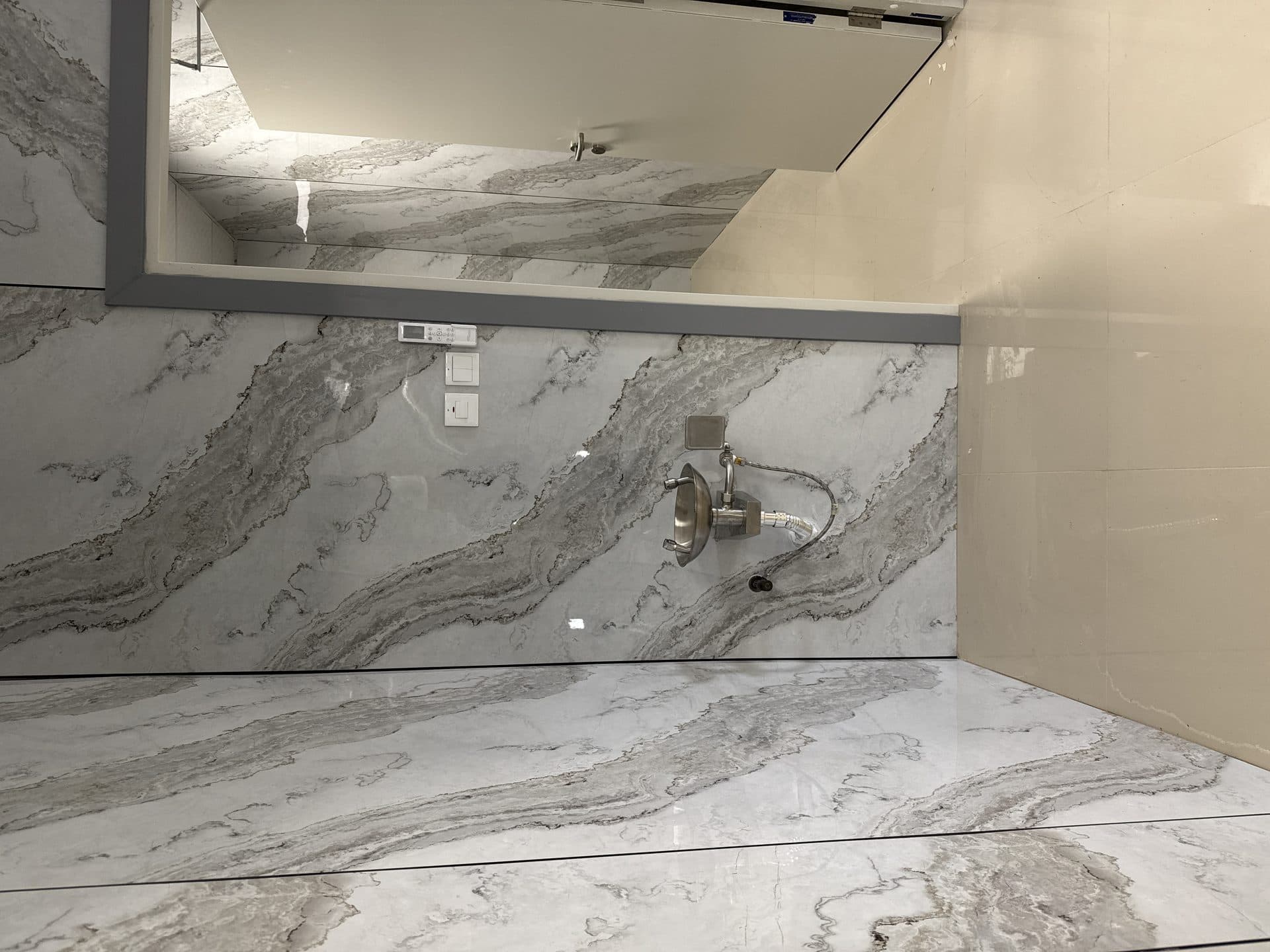
Choosing the right laundry equipment is a long-term investment that directly affects efficiency, operating costs, and service quality. Whether you are planning a hotel, hospital, industrial facility, or commercial laundry, selecting industrial laundry equipment requires more than comparing machine specifications.
Start with daily volume, not catalogue capacity
The first factor is your daily laundry volume. Understanding how many kilograms of linen, uniforms, or garments need to be processed each day determines the capacity and configuration of the line. Machines that match operational need improve productivity and reduce unnecessary energy and water consumption. Oversizing wastes capital; undersizing creates overtime and backlog the first time occupancy spikes.
We build that number from a linen profile — sheets, towels, F&B linen, uniforms — then map occupancy or bed-occupancy scenarios. A single peak kilogram figure is rarely enough.
Specify a system, not a collection of machines
A reliable commercial laundry system includes washers, dryers, finishing equipment, and a workflow that lets them work together. Modern lines are built to improve efficiency, reduce turnaround times, and deliver consistent results. If the ironer cannot keep up with the washers, linen stacks in trolleys and the whole flow stalls — regardless of how good each machine looks on paper.
Infrastructure and MEP before the machines arrive
Before installation, every project needs proper utility coordination for water supply, drainage, electrical systems, and ventilation. The same MEP discipline we apply to kitchens applies to laundry: water pressure, drainage, power distribution, and extract have to be designed around the equipment, not squeezed in afterwards.
Working with an experienced MEP engineer during the design stage helps ensure those requirements are addressed before installation begins. When they are not, projects absorb delays, design changes, and extra cost once the machines are already on site.
Plan for the volume you will have, not only opening day
Future scalability should be part of the investment decision. As hotels, healthcare facilities, and industrial operations expand, laundry requirements often increase. Oversizing utility connections and leaving floor space for an additional washer or ironer today is a fraction of the cost of retrofitting later.
Look past the purchase price
Finally, look beyond the initial quote. Durability, energy efficiency, maintenance support, spare parts availability, and after-sales service determine whether the line still performs in year five. A dependable supplier helps maximise the lifespan of the investment and minimise downtime — which, for a hotel with guests in-house, is not optional.
Investing in industrial laundry equipment is about building a complete solution, not just purchasing machines. By selecting the right system, involving MEP early, and planning for growth, businesses can create an efficient, reliable laundry facility that supports long-term operational success.
Related articles
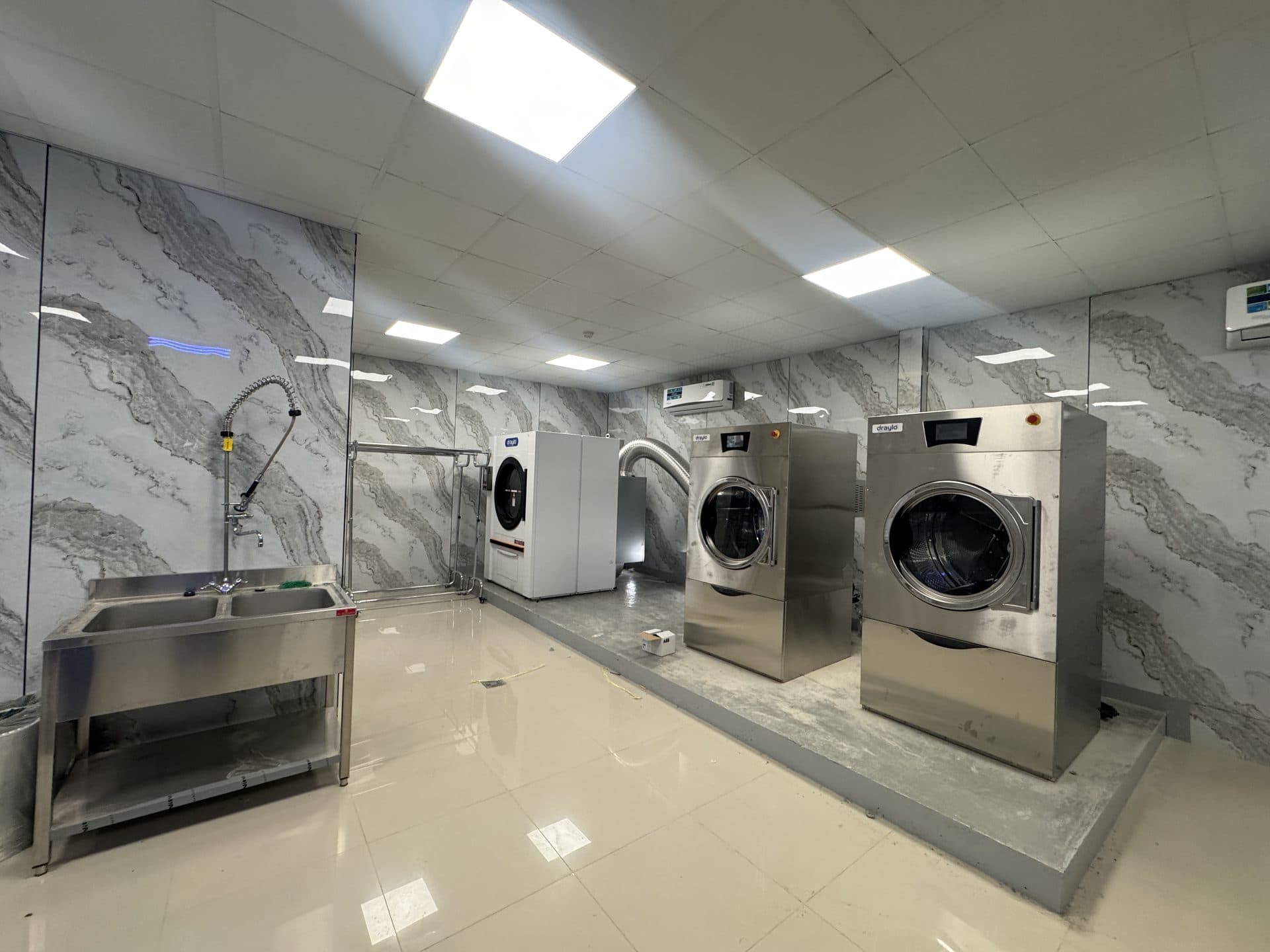
From linen weight to machine line — modelling laundry throughput
Hotels and hospitals rarely have a single peak number. Building scenarios for occupancy, linen mix, and growth before sizing washers and ironers.
Read article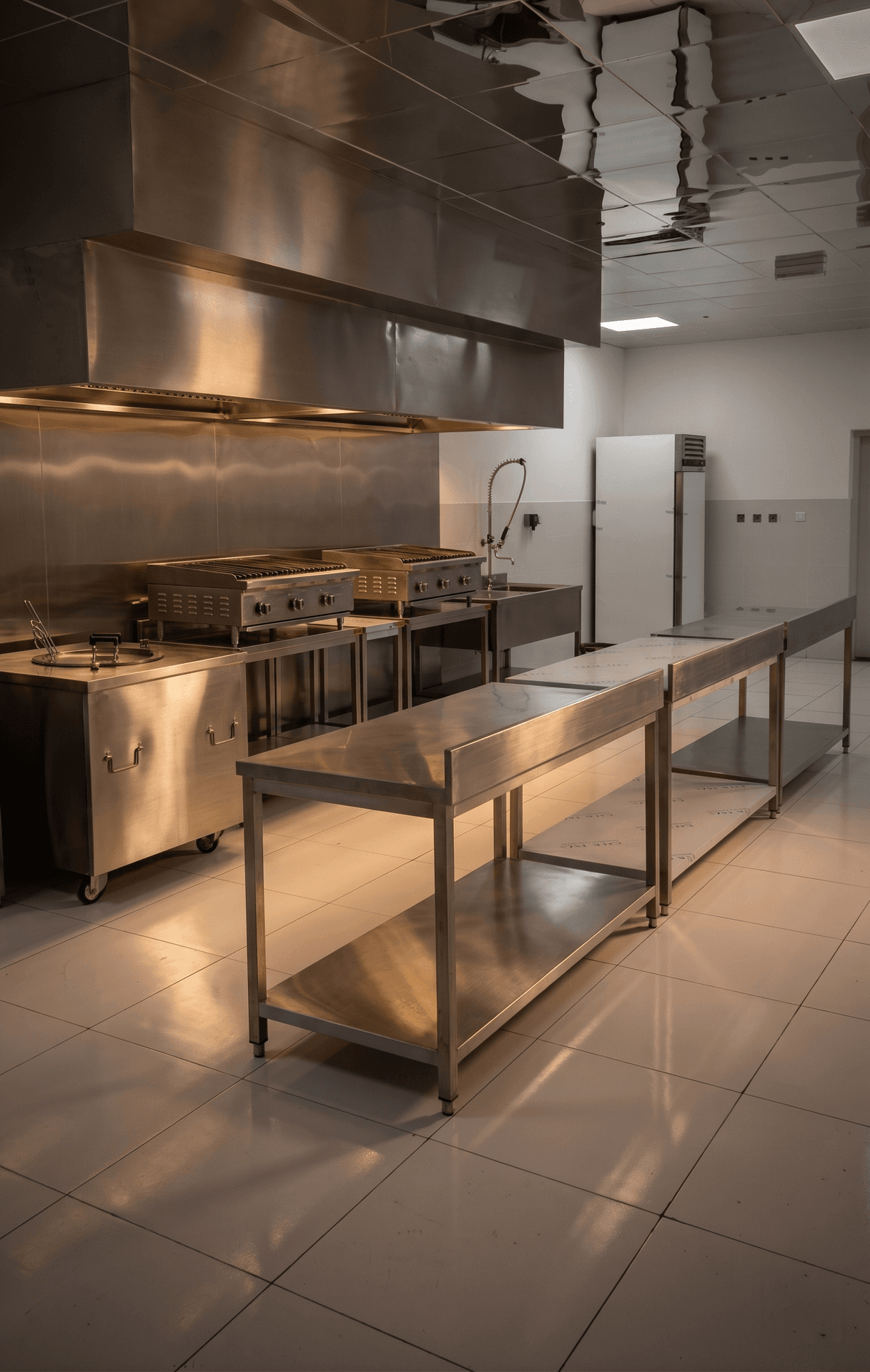
Proofing, ovens, and cooling — balancing a bakery line for consistent output
Bottlenecks often hide between proofer and deck oven. Aligning timing, floor space, and staff movement for artisan and scaled production.
Read article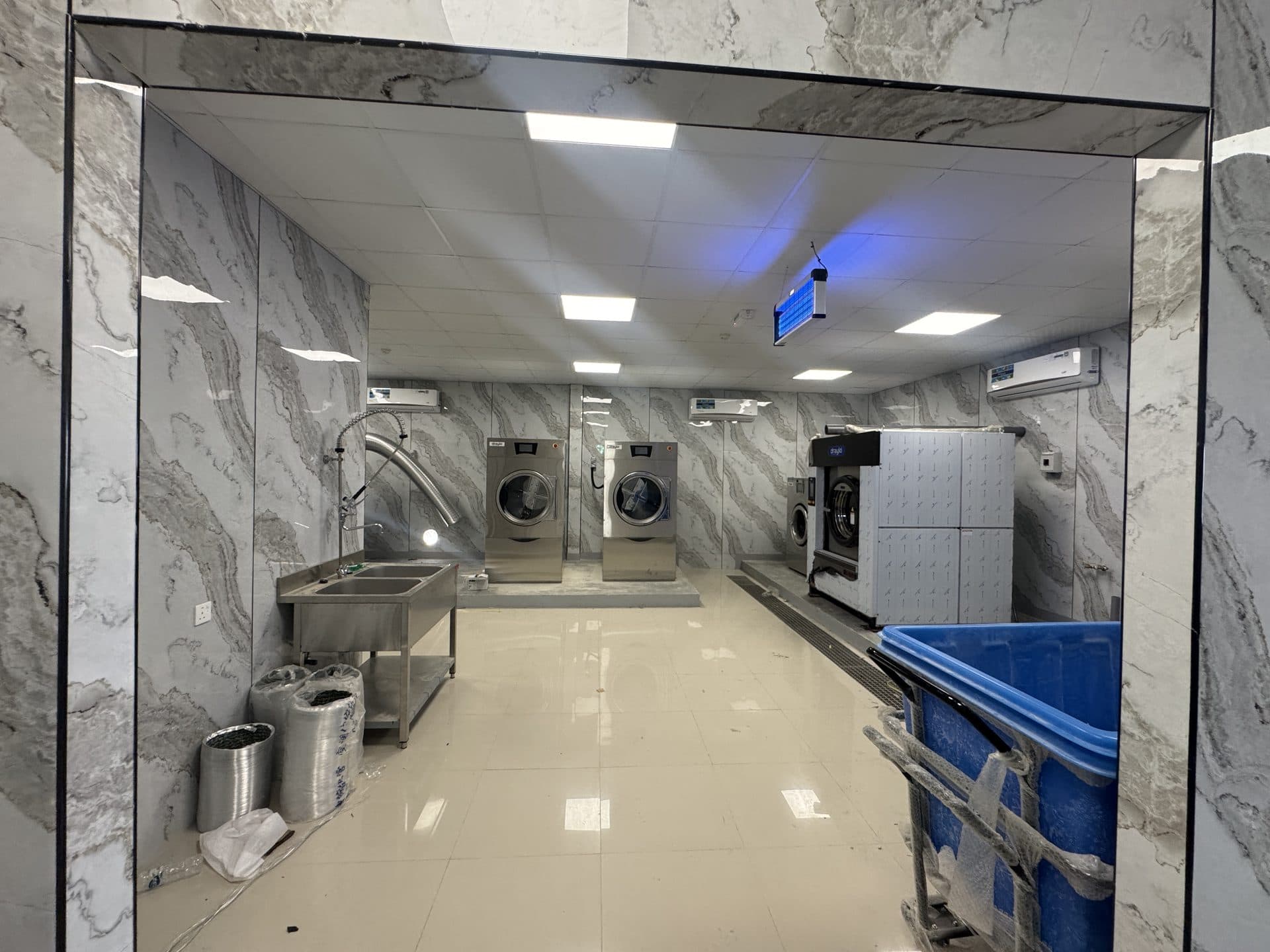
On-premise hotel laundry versus outsourcing — making the right call
The decision to build an on-premise laundry or outsource to a commercial plant depends on more than just cost per kilogram.
Read article